

Built on
- Veteran-owned and -operated
- 15+ years of crew experience
- BBB accredited licensed & insured
- Free estimates in person or by phone
The short answer
How do I choose a fence?
Work backwards from the job it has to do. What you're containing or blocking sets the height, how much upkeep you're willing to do sets the material, and your city and subdivision set the limits on both — usually capping front-yard fences well below what's allowed at the back.
After that it's installation quality that decides whether you get fifteen years or two: posts set in concrete below the frost line, galvanised or stainless hardware, and proper bracing so panels don't sag between posts.
- Height4ft contains a small dog · 6ft blocks an adult's sight line · 8ft for security
- MaterialsWood, metal, aluminum and plastic, residential and commercial
- Check firstMunicipal height caps and any subdivision association rules
- Handrails34–38in above the nosings, holding 200lb of force in any direction
Safety and curb appeal, in one job
We offer reliable fence and handrail installation solutions for your home. Hire a knowledgeable and reliable home improvement professional today to improve the safety and curb appeal of your home in Smithville, Blue Springs, Liberty, Kearney, MO or the surrounding areas. We guarantee quality services and no job is complete until your yard is clean. We won't mess around.
We work with all kinds of fences and handrails, including wood, metal, aluminum and plastic. Residential and commercial both.

Which fence,
and how tall?
Height follows the job. Four feet contains a small dog. Six feet is the minimum that actually blocks a standing adult's sight line, and it's what most privacy work ends up being. Eight feet is for security or a large, athletic dog.
Municipal codes often cap front-yard fences at three or four feet while allowing six to eight in rear and side yards, and subdivisions with an association usually have their own rules on height, style and color. Worth checking before anything is ordered.
- Privacy — board-on-board, shadowbox or solid panel, no gaps
- Picket and decorative — marks the line without blocking the view
- Ornamental metal — meets pool barrier code at 48 inches
- Commercial runs — long lines, handled efficiently
Installation is what makes it last
Proper technique — adequate post depth, secure fastening and the right material for the exposure — is the difference between a fence that stands for fifteen years and one that needs attention in two.
- Posts set in concrete below frost line, so freeze-thaw doesn't heave them
- Galvanized or stainless hardware, so you don't get rust streaks and fastener failure
- Correct spacing and bracing, so panels don't sag between posts
- Ground slope, property lines and underground utilities located before we dig
Choosing fence material
What each material asks of you
Every fence material is a bargain between what it costs to put up and what it asks of you afterward. Wood asks for maintenance; aluminum and vinyl ask for very little but won't give you a solid privacy wall in the same way.
| Material | Upkeep | Expected life | Where it fits |
|---|---|---|---|
| Pressure-treated wood | Staining or sealing every two to three years | 15–20 years | Privacy runs where budget matters and you'll do the upkeep |
| Cedar | Similar cycle, but resists rot and insects with no chemical treatment | Comparable to treated | Privacy and picket work where the grain and colour are the point |
| Aluminum | Minimal. No rust concerns at all | 30-plus years | Ornamental runs, pool barriers, anywhere you want the view through |
| Vinyl / plastic | None to speak of. Never needs painting, resists fading | Long, in normal conditions | Low-maintenance privacy — though extreme cold can make it brittle |
Whichever you pick, posts go in concrete below the frost line and hardware is galvanised or stainless. That is what actually decides the lifespan.
Choosing height
How tall does it need to be?
Height follows the job, not the fashion. This is the shorthand we use on site, and it's usually settled in about a minute once we know what the fence is for.
| Height | What it actually does | Typical use |
|---|---|---|
| 3–4 ft | Marks the boundary and contains a small dog. Does not block anyone's view | Front yards — often the maximum a municipality permits there |
| 4 ft ornamental | Meets pool barrier code when pickets are correctly spaced | Pool enclosures, where a self-closing gate and childproof latch matter as much as the fence |
| 6 ft | The minimum that genuinely blocks a standing adult's sight line | Most rear and side-yard privacy work |
| 8 ft | Security height, and enough for a large athletic dog | Where six feet has already proven not to be enough |
Municipal codes often cap front-yard fences at three or four feet while allowing six to eight at the rear, and subdivisions with an association usually add their own rules on height, style and colour. Worth checking before anything is ordered.
Common questions
What height do residential handrails have to be?
Building codes require handrails between 34 and 38 inches above the stair nosings, with consistent height maintained along the entire run for reliable grip support.
Measurement starts from the nosing — the front edge of each tread — rather than the tread surface. Exterior stairs with four or more risers require at least one handrail, and both sides are recommended for stairs wider than 44 inches.
How does baluster spacing keep children safe?
Deck and stair railings must have balusters or infill panels spaced so a 4-inch sphere cannot pass through, which stops small children slipping between the rails or getting their heads stuck. The rule applies to every opening in the guardrail system, including the gap between the bottom rail and the deck surface.
Horizontal rail designs need extra attention, because they create ladder-like climbing opportunities. Vertical balusters eliminate that concern while meeting the same standard.
How much weight does a handrail need to hold?
Residential handrails must withstand 200 pounds of force applied in any direction without loosening or breaking. That requirement drives the mounting method: a rail attached only to wall studs can pull free under stress, so proper installation uses blocking between studs or through-bolts that distribute the force across several attachment points.
The graspable portion should be 1.25 to 2 inches in diameter for a secure grip.
Which fence material lasts longest?
Pressure-treated wood lasts 15 to 20 years with periodic staining or sealing. Cedar resists rot and insects naturally for a similar span without chemical treatment. Both need maintenance every two to three years.
Aluminum has no rust concerns and holds its appearance for 30-plus years with minimal care. Vinyl resists fading and never needs painting, though extreme cold can make it brittle.
Can a decorative fence still meet safety standards?
Yes. Decorative designs satisfy safety requirements when they hold the right height, strength and spacing. Ornamental metal with finials and scrollwork meets pool barrier codes when the pickets are spaced correctly and the fence reaches 48 inches minimum.
Gate hardware matters as much as the fence itself: self-closing hinges and childproof latches prevent unsupervised access, gates should swing outward from the protected area, and latches belong out of a young child's reach.
What about slopes?
Rolling ground calls for stepped or racked fencing. Stepped fencing keeps the panels level and varies the post heights to follow the grade. Racked designs follow gradual slopes with angled panels that stay parallel to the ground.
We assess the contours before quoting, and set post depth below frost line so freeze-thaw cycles don't heave them.
Which side of the fence faces my neighbour?
Convention puts the finished side outward, facing the neighbour and the street, with posts and rails on your side. It's a courtesy rather than a law in most places, though some subdivisions write it into their rules.
If that bothers you, board-on-board and shadowbox styles look essentially the same from both sides. It's a question worth settling before we build rather than after, because it is not a cheap thing to change your mind about.
Do you locate the property line?
We locate underground utilities before we dig — that part is non-negotiable and we handle it. The property line itself is different: we build to the line you give us.
If there's any real doubt about where it runs, a survey before we start is far cheaper than moving a finished fence, and boundary disputes with a neighbour are the one part of this job nobody wins.
Can you replace a fence panel by panel instead of all at once?
Sometimes, if the posts are sound and set at proper depth — posts are the part that fails first and the part that's expensive to redo. If the posts are still good, swapping panels or pickets is genuinely worth doing.
When posts have heaved or rotted at grade, patching around them tends to be money spent twice. We'll walk it and tell you honestly which situation you're in.
Do you handle gates, and how wide should one be?
Yes, and gates deserve more thought than they usually get, because a gate is the only part of a fence with moving parts and it's what fails first.
A walk gate wants to be wide enough to carry things through comfortably. Somewhere you'll ever need a mower, a wheelbarrow or a trailer through, ask for a double gate — retrofitting one later means pulling posts. Around a pool, gates need self-closing hinges and a childproof latch mounted out of reach, and they should swing outward from the protected area.
Fence work
See the gallery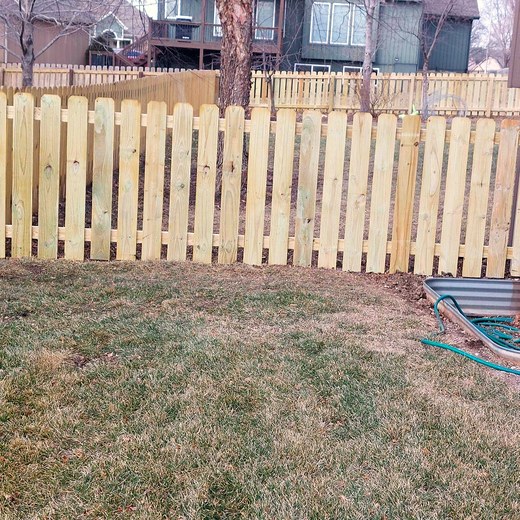
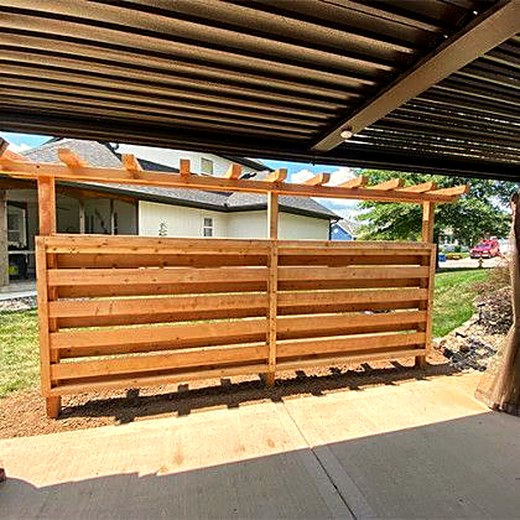
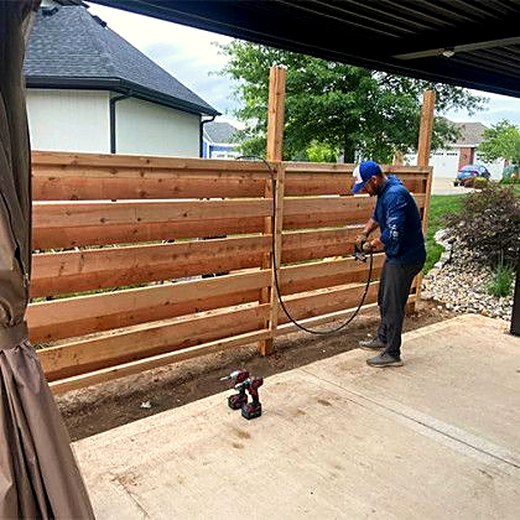


Fence customers, in their words
Read all 42 reviews-
Jason and the team at VCHS did an amazing job on our fence. They answered all of our questions during the process and the end result is a new look to our yard and a fence our neighbors are jealous of! We have recommended them to a few people and they are actually doing a fence for a friend of mine in the near future. You will be very happy with the final product if you go with them, too!
Mary Ann GormlyFence · March 2024 -
They did a wonderful job on my fence ! Fast and perfect work ! We will definitely be using them again in the future !
Matthew OnealFence · February 2024 -
VCHS is a great contractor to work with! We first had them replace our rear deck and they built us a much bigger, more functional, and better deck than we had envisioned. When my mother became wheelchair bound later the same year we had VCHS back out and they built a custom front deck with wheelchair ramp and concrete sidewalk to allow her to come live with us. Just this year we brought VCHS back to replace our old chain link fence with a new 6 foot privacy fence. Overall they are a friendly and efficient team to work with who won’t let you down!
Thomas Shatto IIThree projects · November 2025
Tell us what
you'd like built.
We'll come out, walk the space and give you a real number. Free, in person or over the phone, with no obligation.
- (816) 916-0397
- Kearney, MO 64060
- Mon–Fri 8:00am – 6:00pm
- Sat–Sun Closed
Military, first responder and teacher discounts on every project.
What else we build
-
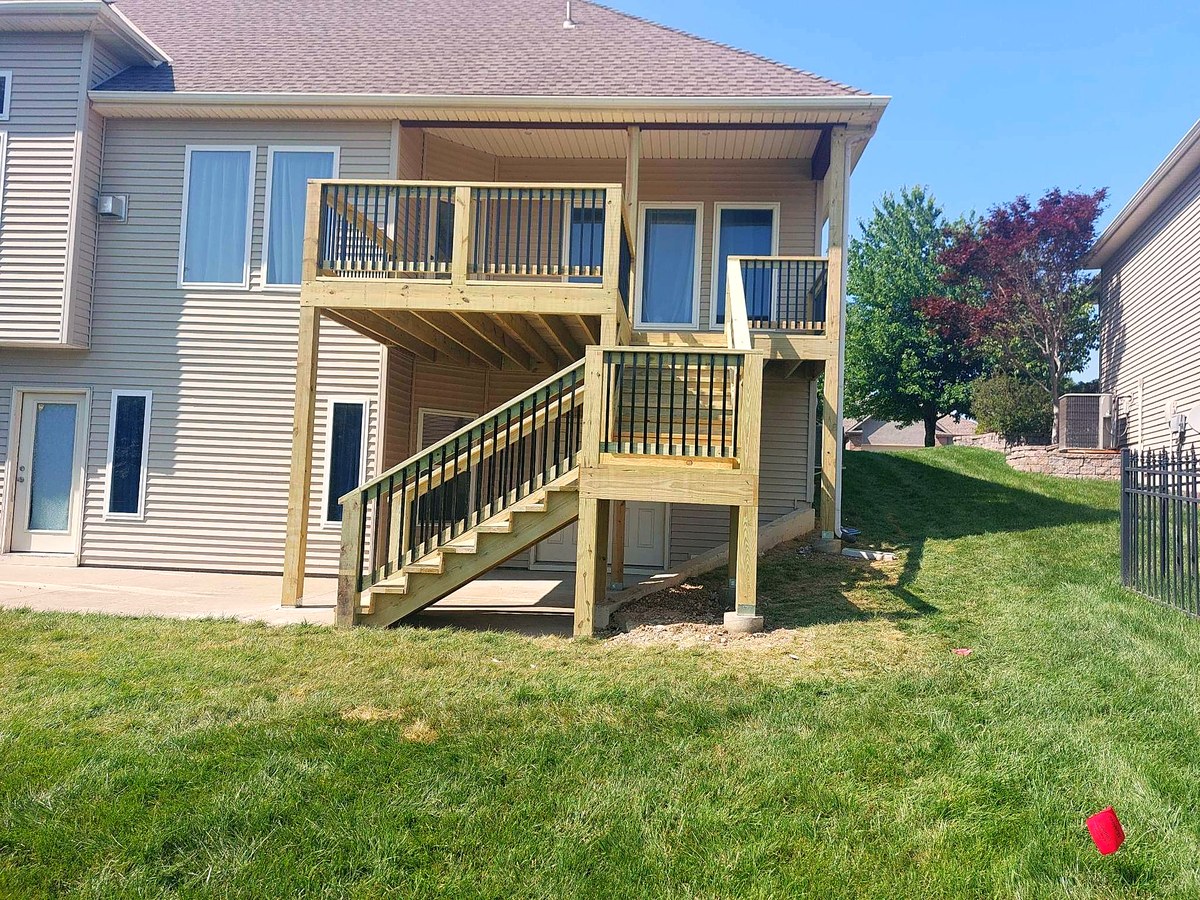
Decks
New builds, replacements, additions, stairs and railings in pressure-treated, cedar or Trex composite.
See decks -
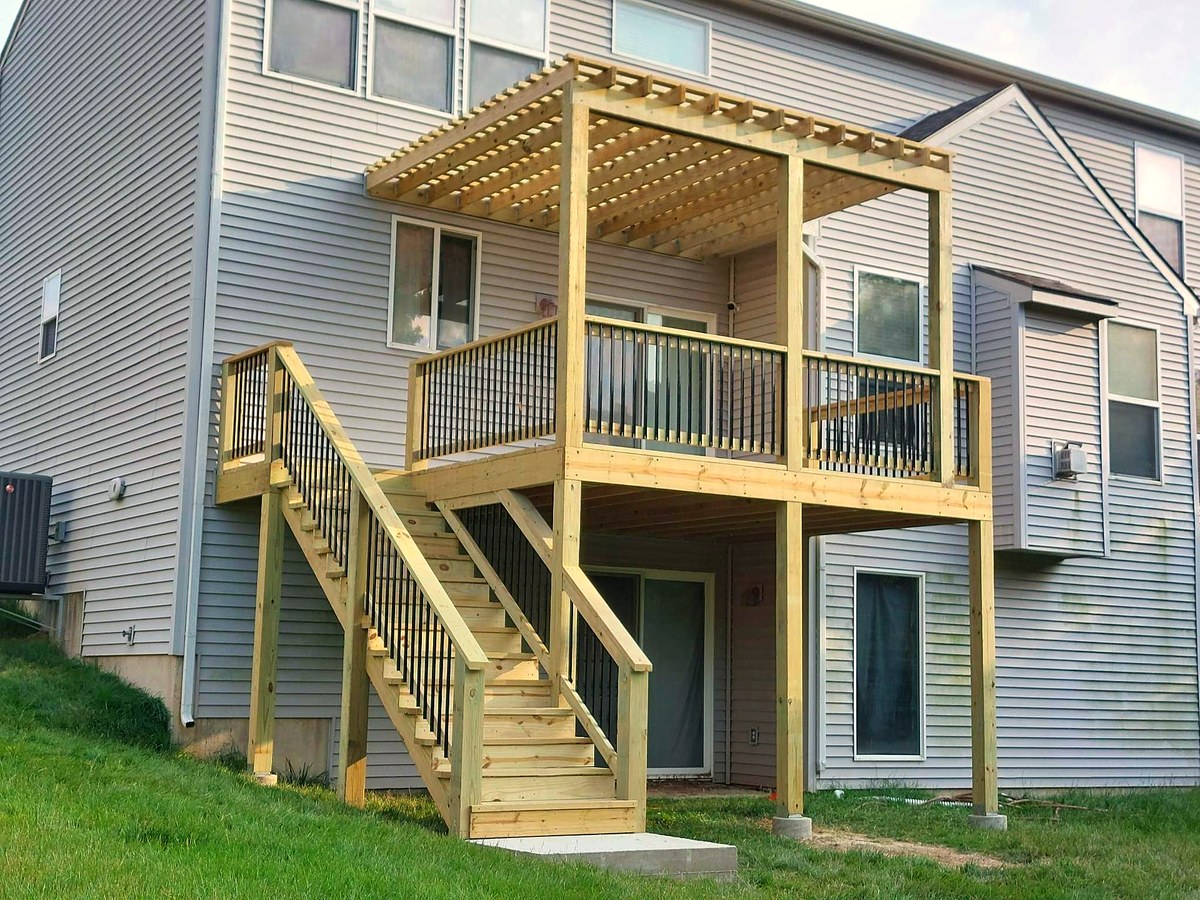
Covered decks & pergolas
Roofs and pergolas that keep the sun and the rain off your afternoon.
See cover decks -
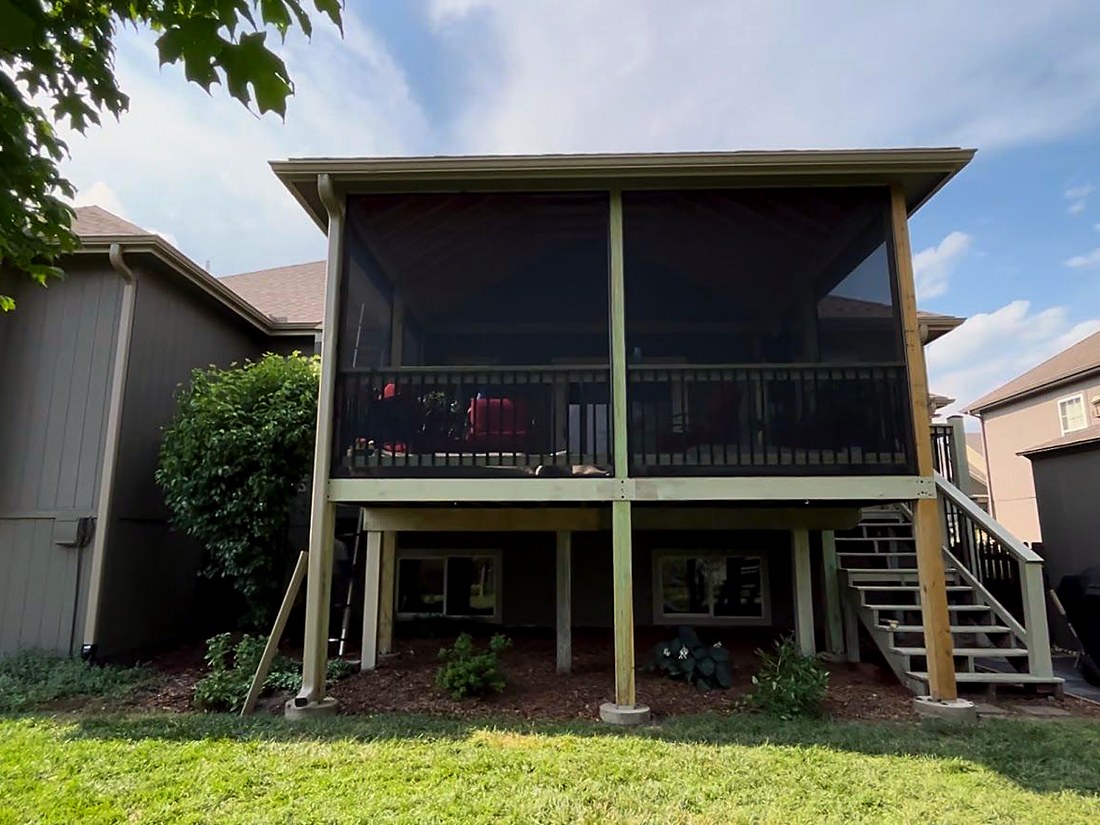
Screened-in decks
Turn the deck you already have into a room you'll actually use in August.
See screened in deck -
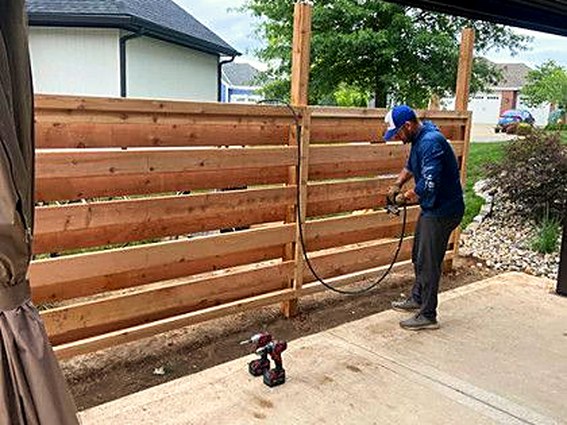
Exterior painting
Sherwin-Williams repaints and staining for siding, decks, fences and trim. We match what's already there.
See exterior painting -
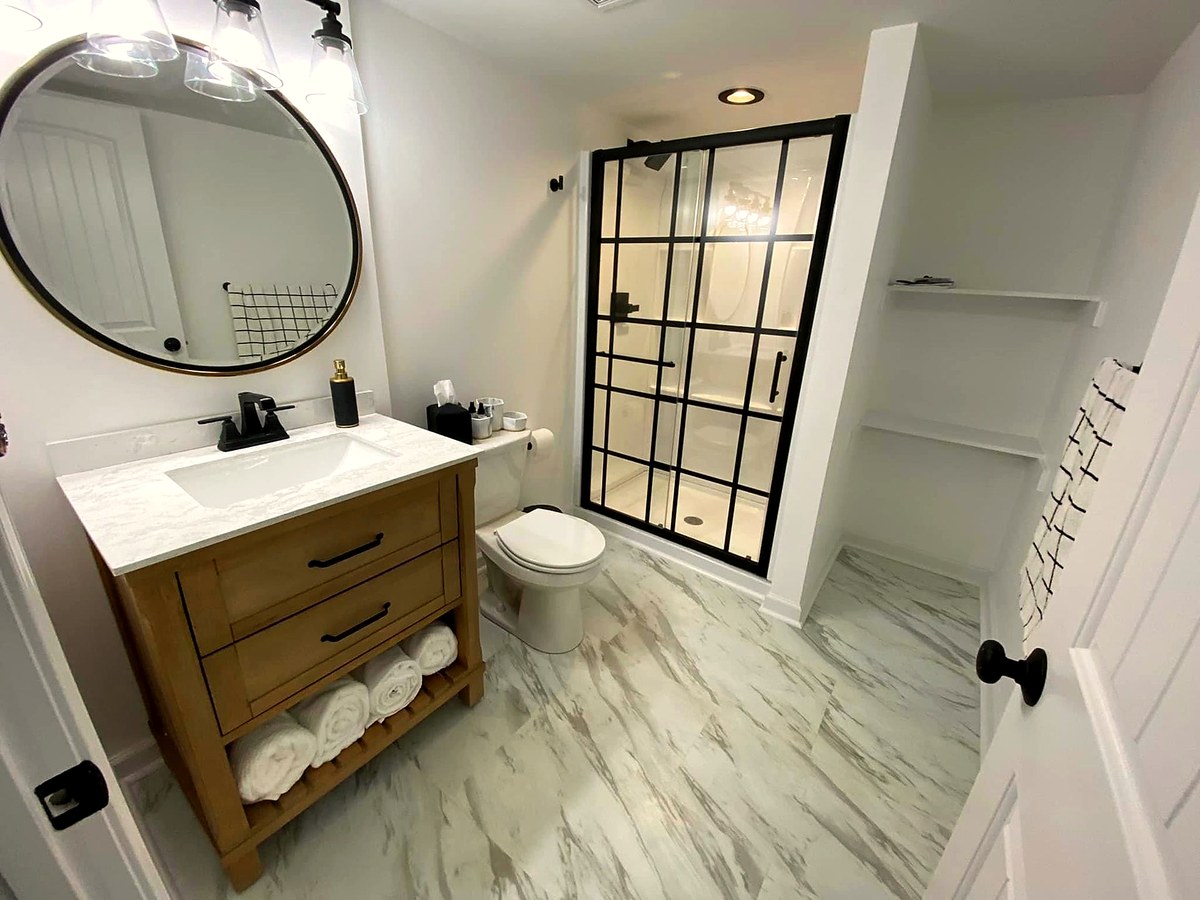
Basement finishing
Framing through finish. Bedrooms, baths and real living space downstairs.
See basement finishing -
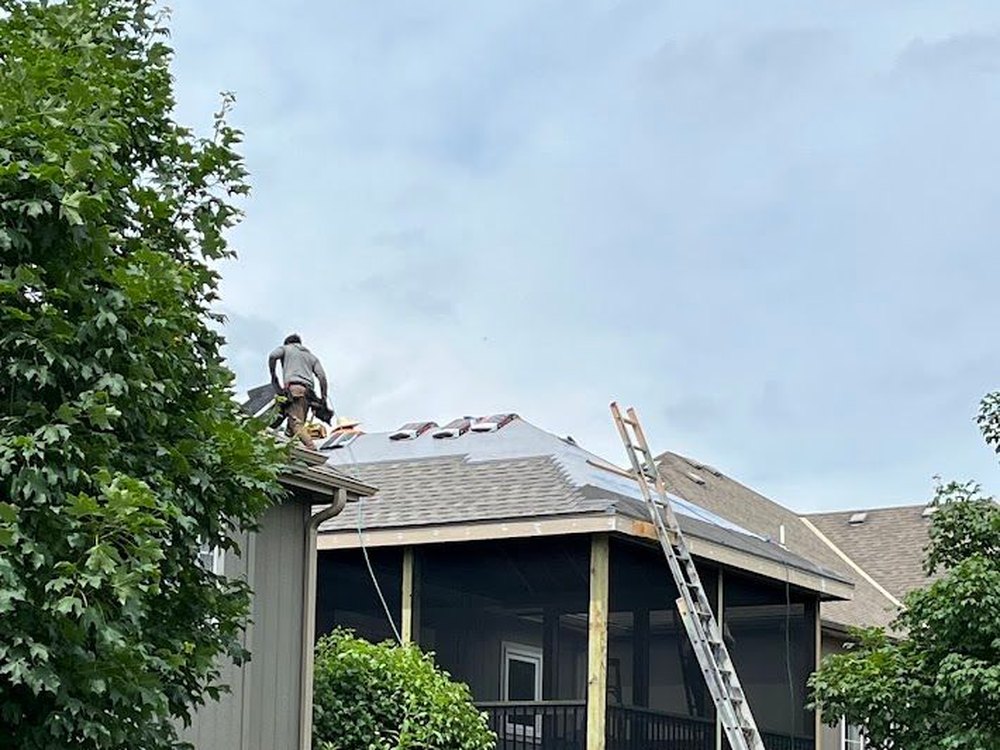
Roofing
Repairs, storm damage and full replacement — plus the roofs we build over porches and covered decks.
See roofing -
Kitchen remodeling
Cabinets, counters, lighting and layout — from a refresh in place to moving the walls.
See kitchen remodeling -
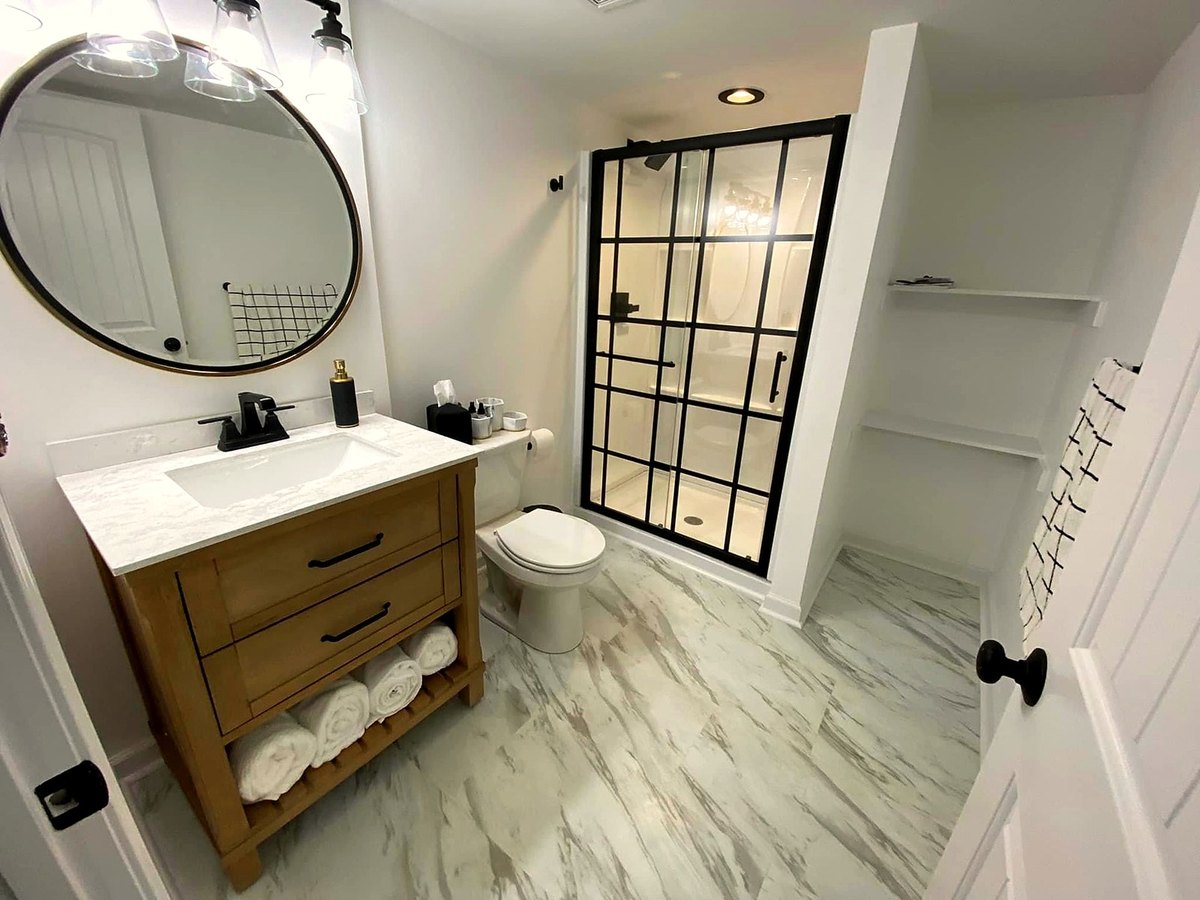
Bathroom renovation
Fixtures, tile, lighting and ventilation, on any floor of the house.
See bathroom renovation


Where we work
- Smithville
- Lawson
- Lake Lotawana
- Lake Tapawingo
- Excelsior Springs
- Independence
- Kearney
- Liberty
- Blue Springs
- Kansas City
- Riverside
- Parkville
- North Kansas City
- Weatherby Lake
- Houston Lake
- Gladstone
- Pleasant Valley
- Tracy
- Leavenworth
- Oak Park
- Shawnee
- Mission Hills
- Lee's Summit
Not on the list? Call us. If you're in the metro, we'll come look.